Operate
An energy asset is only as good as its worst month.
Monitoring, maintenance and monthly performance reporting for the life of the asset — held to a 98%+ uptime target. A solar system is a 25-year investment, and someone has to be accountable for year twelve as much as year one.
Who this is for
Owners who need the asset to keep performing, not just to exist
A system that was commissioned well can still lose generation quietly — a failed string, a dirty array, an inverter fault no one noticed. Operations is what keeps the return you were promised showing up in the data, every month, for decades.
What's included
Measured, maintained, reported
The same monitoring discipline that lets us publish real case-study data is applied to every asset we operate.
24/7 remote monitoring
Every system reports continuously to our monitoring platform. Production, inverter health and string-level performance are tracked in real time — so a fault is a notification, not a surprise on next month's bill.
Fault detection & response
Underperformance triggers an alert against the commissioning baseline. We diagnose remotely where we can and dispatch a technician where we can't, before a small issue becomes lost generation.
Preventative maintenance
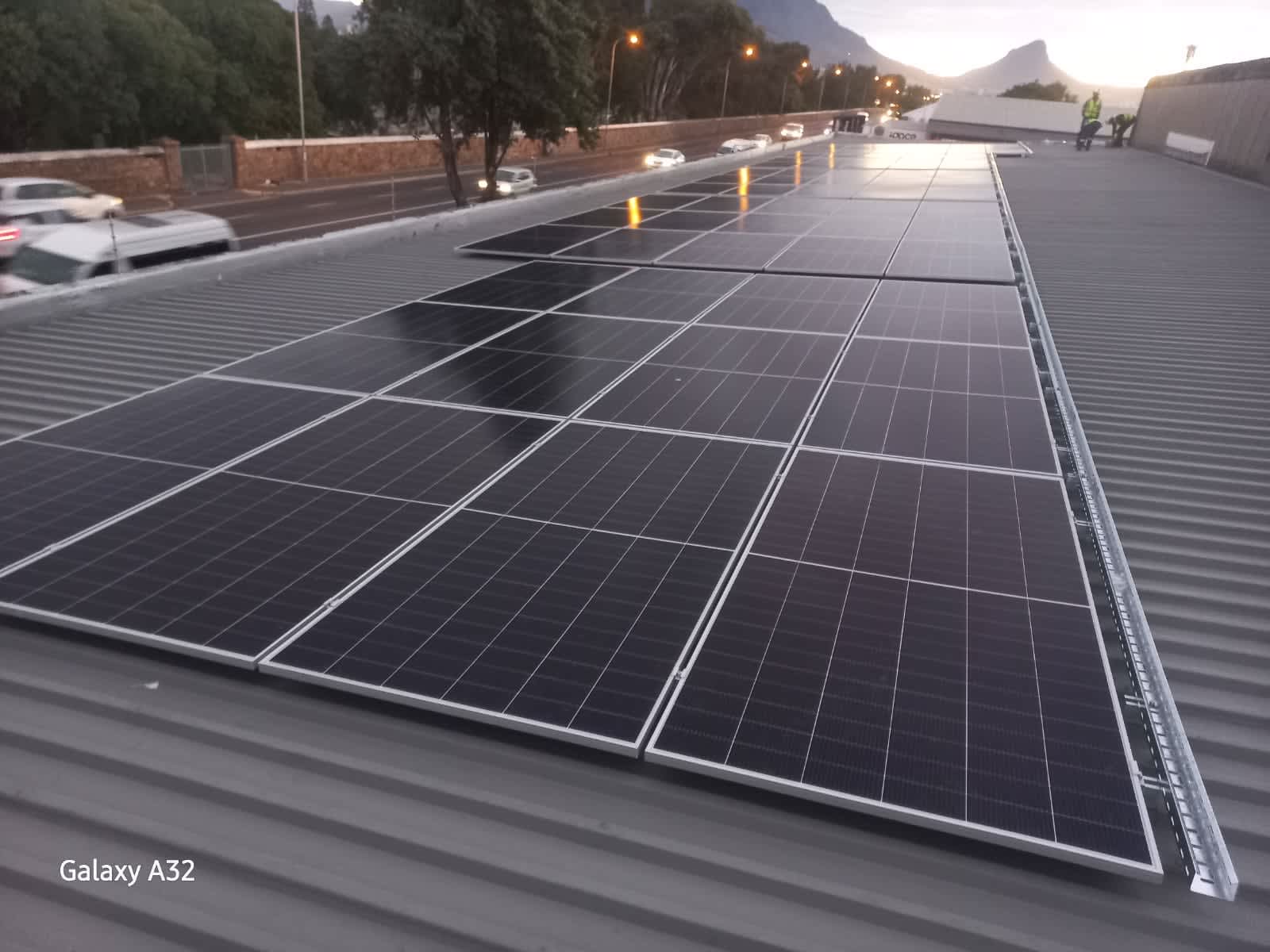
Scheduled inspections, cleaning and component checks that keep the system generating at specification and protect the equipment warranties — planned around your operations, not disruptive to them.
Monthly performance reporting
A monthly report showing measured production, savings and system availability against target. The same reporting discipline that lets us publish case-study data is applied to every asset we operate.
How it works
From commissioning baseline to monthly report
Baseline at commissioning
The system's measured commissioning results become the performance baseline. Every month afterwards is judged against what the asset actually proved it could do.
Continuous monitoring
Data flows to our platform around the clock. Automated checks compare live output against expected generation for the conditions, flagging deviations early.
Maintain & respond
Preventative maintenance runs on schedule; alerts are actioned as they arise. The aim is to hold availability above a 98%+ uptime target across the fleet.
Report & review
You receive a monthly performance report, and we review the asset's trajectory with you — so the system's contribution stays visible for the life of the agreement.
Built and measured
712 MWh in year one — and every month accounted for
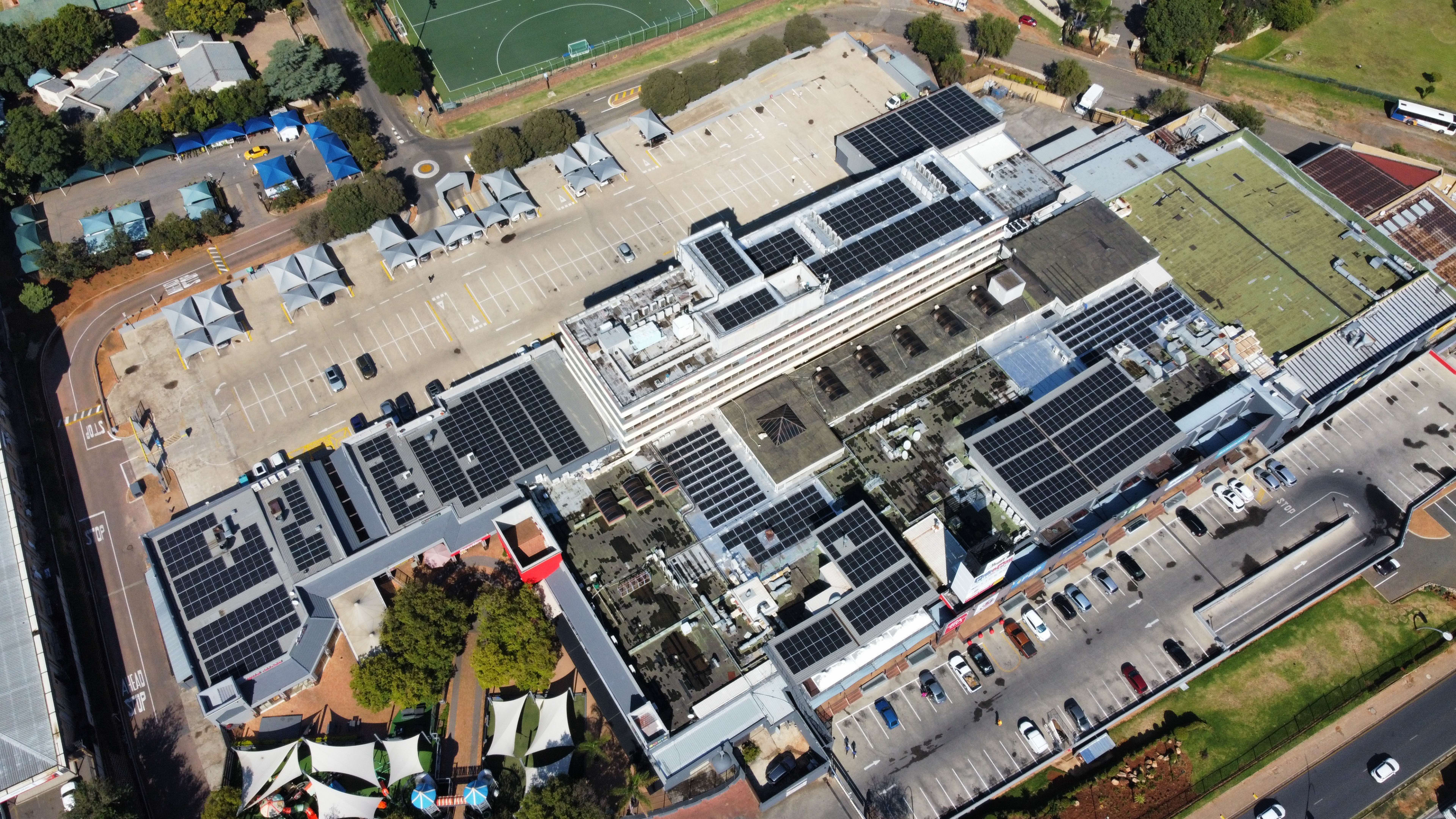
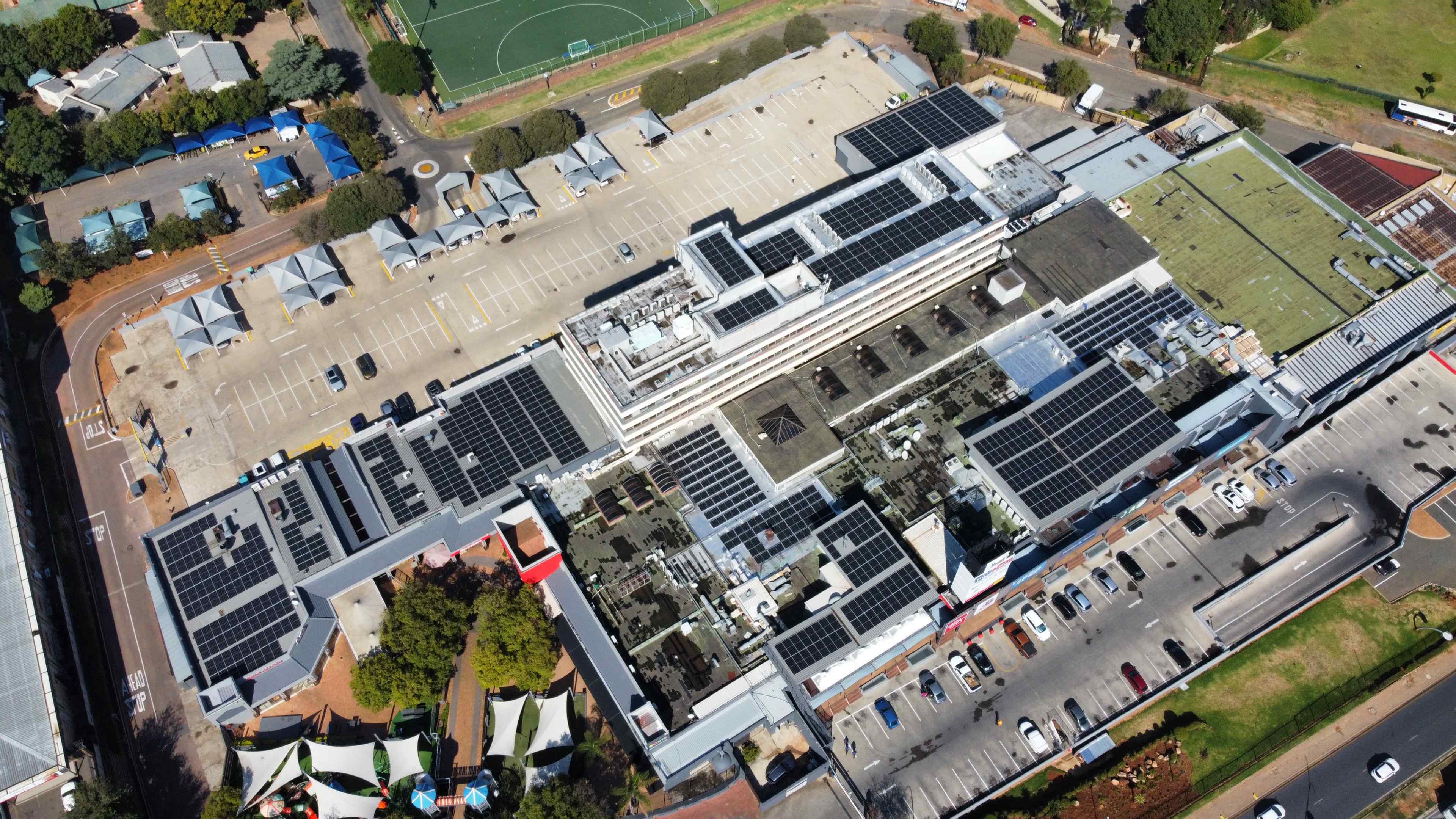
Heathway Shopping Centre is a 492 kWp retail installation producing 712 MWh a year and saving R1.58 million, at a 3-year payback and 38% IRR. Numbers like these only stay true if the system is monitored and maintained — which is exactly what operations delivers.
Common questions
Operations FAQs
What does ongoing operation cost under a PPA?
Nothing extra. Under a Power Purchase Agreement, Focal owns and operates the system, so monitoring, maintenance and reporting are our responsibility and cost. You simply pay the agreed rate for the electricity produced. Under a cash purchase, operations are provided as a separate service agreement.
What uptime do you target?
We work to a 98%+ availability target across the fleet. It is a target, not a guarantee — real systems have weather, grid events and occasional faults — but continuous monitoring against a commissioning baseline is what lets us hold performance close to it and catch shortfalls quickly.
How will I know if my system is underperforming?
You won't have to work it out yourself. Live output is compared against expected generation continuously, and your monthly report shows measured production and availability against target. If a system drifts below where it should be, we see it in the data before it shows up as a larger electricity bill.
Do you maintain systems you didn't build?
Our operations service is designed around systems we designed and built, because we hold the commissioning baseline and the as-built documentation. We assess taking on third-party systems case by case, starting with a performance audit to establish where the asset actually stands.
What happens if a component fails?
Monitoring flags the fault, we diagnose it — remotely where possible — and dispatch a technician where a site visit is needed. Because we operate the asset under a long-term agreement, resolving faults quickly is our problem to own, not a change order to negotiate.
See what your site could save.
Tell us your monthly electricity usage and we'll model your consumption, system options and payback — numbers you can put in front of a board.