Finance
Fund the system without funding it upfront.
PPA, cash or co-investment — structured around your balance sheet, not ours. A Power Purchase Agreement puts a commercial solar system on your roof for R0 upfront and a lower energy bill from month one.
Who this is for
Businesses where the barrier is capital, not conviction
Most companies already know solar would cut their energy cost. What stops them is competing demands on capital. Financing exists to remove that barrier — so the decision comes down to the numbers, not the cash available this quarter.
What's included
Four ways to pay for a commercial system
There is no single right answer. The right structure depends on your cost of capital, tax position and whether you want to own the asset.
Cash purchase
You fund the system and own it outright from day one. The highest lifetime return and full balance-sheet ownership — suited to businesses with capital available and an appetite to hold the asset.
Power Purchase Agreement (PPA)
R0 upfront. We fund, build and own the system, and you buy the electricity it generates at a rate below the grid. No capital outlay, no maintenance cost, and a lower energy bill from month one.
Co-investment
A shared-ownership structure between your business and Focal. It splits capital exposure and return, and keeps our stake in the asset's performance aligned with yours for the life of the agreement.
Carbon credits
Where a project qualifies, we help structure and register carbon credits so the emissions you avoid become a measurable, tradable part of the return — not just a line in a sustainability report.
How it works
From options to committed capital
Model the options
Working from the feasibility model, we compare cash, PPA and co-investment side by side — lifetime cost, balance-sheet impact, ownership and risk — against your actual tariff and consumption.
Match to your balance sheet
The right structure depends on your cost of capital, tax position and whether you want to own the asset. We recommend the option that fits, and say plainly when R0-upfront is the wrong answer.
Structure & agree
Terms, tariff escalation, ownership and end-of-term arrangements are documented in plain language, so the agreement your board signs is the agreement they understood.
Fund & build
Once the structure is agreed, the project moves into build. Under a PPA or co-investment, our capital is committed alongside yours — so our return depends on the system performing.
Built and measured
3.2-year payback. 35% IRR. Published in full.
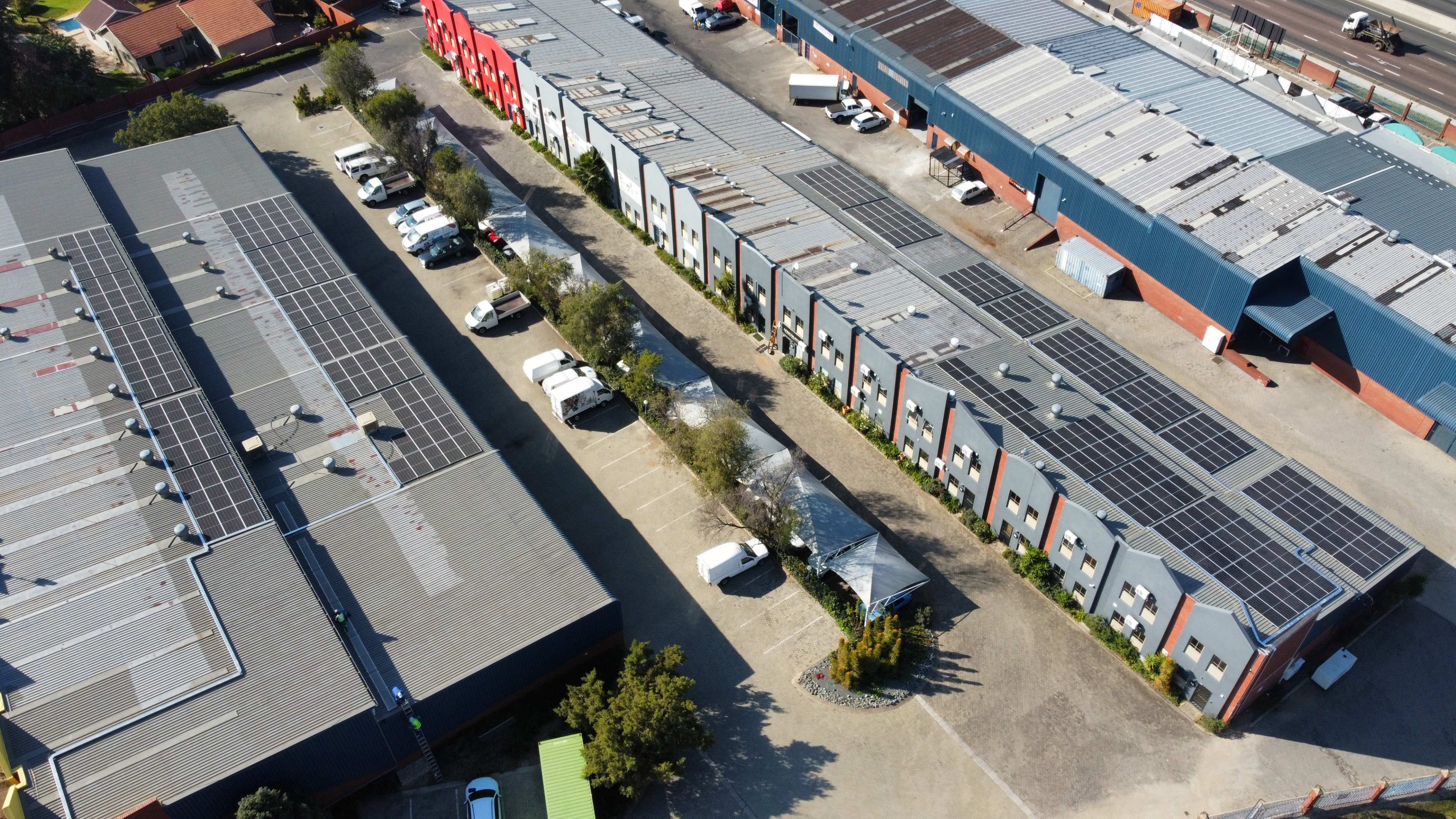
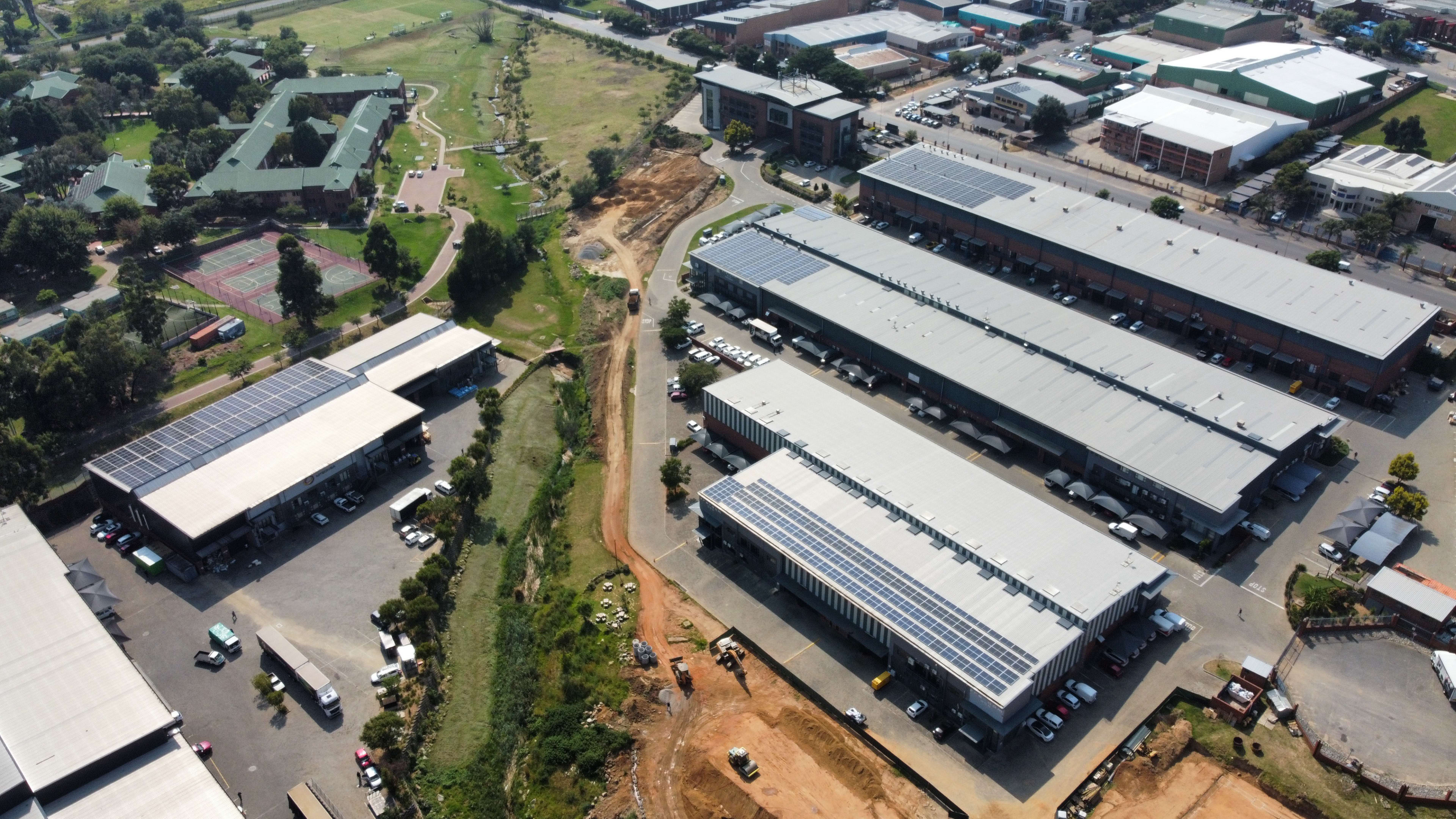
Kimbult Industrial Park is a 547 kWp system that saved R1.54 million in its first year at a R1.99/kWh blended tariff — a 3.2-year payback and a 35% internal rate of return. The return isn't a projection in a proposal; it's measured data from an operating asset.
Common questions
Financing FAQs
What is a solar PPA?
A Power Purchase Agreement means Focal funds, builds and owns the system, and you buy the electricity it produces at an agreed rate — typically below your grid tariff. There is R0 upfront capital, no maintenance cost to you, and a lower energy bill from the first month. It is the most common way to fund a commercial system without touching your capital budget.
PPA vs cash — which gives the better return?
A cash purchase has the highest lifetime return because you own the asset and capture all the savings. A PPA has no upfront cost and a lower but immediate benefit. Which wins depends on your cost of capital and whether you want to own the asset. We model both against your numbers rather than pushing one.
Does a PPA appear on our balance sheet?
Under a PPA the asset is owned by Focal, not your business, so it is generally treated as an operating expense rather than a capital asset. Accounting treatment depends on the specific agreement terms and your auditors' view, which is why the structure is documented in full for your finance team to review.
How real are the returns you quote?
They are measured, not projected. Kimbult Industrial Park reached a 3.2-year payback and a 35% internal rate of return, with R1.54 million saved in the first year against a R1.99/kWh blended tariff. That system's data is published in full so the return can be checked against a real asset.
What are carbon credits worth to us?
For a qualifying project, the emissions you avoid can be registered and sold as carbon credits, adding a revenue stream on top of energy savings. Kimbult avoids 788 tonnes of CO₂ a year; Hermanstad, 1,121 tonnes. The value depends on the credit market and project eligibility, which we assess case by case rather than promising a fixed figure.
See what your site could save.
Tell us your monthly electricity usage and we'll model your consumption, system options and payback — numbers you can put in front of a board.