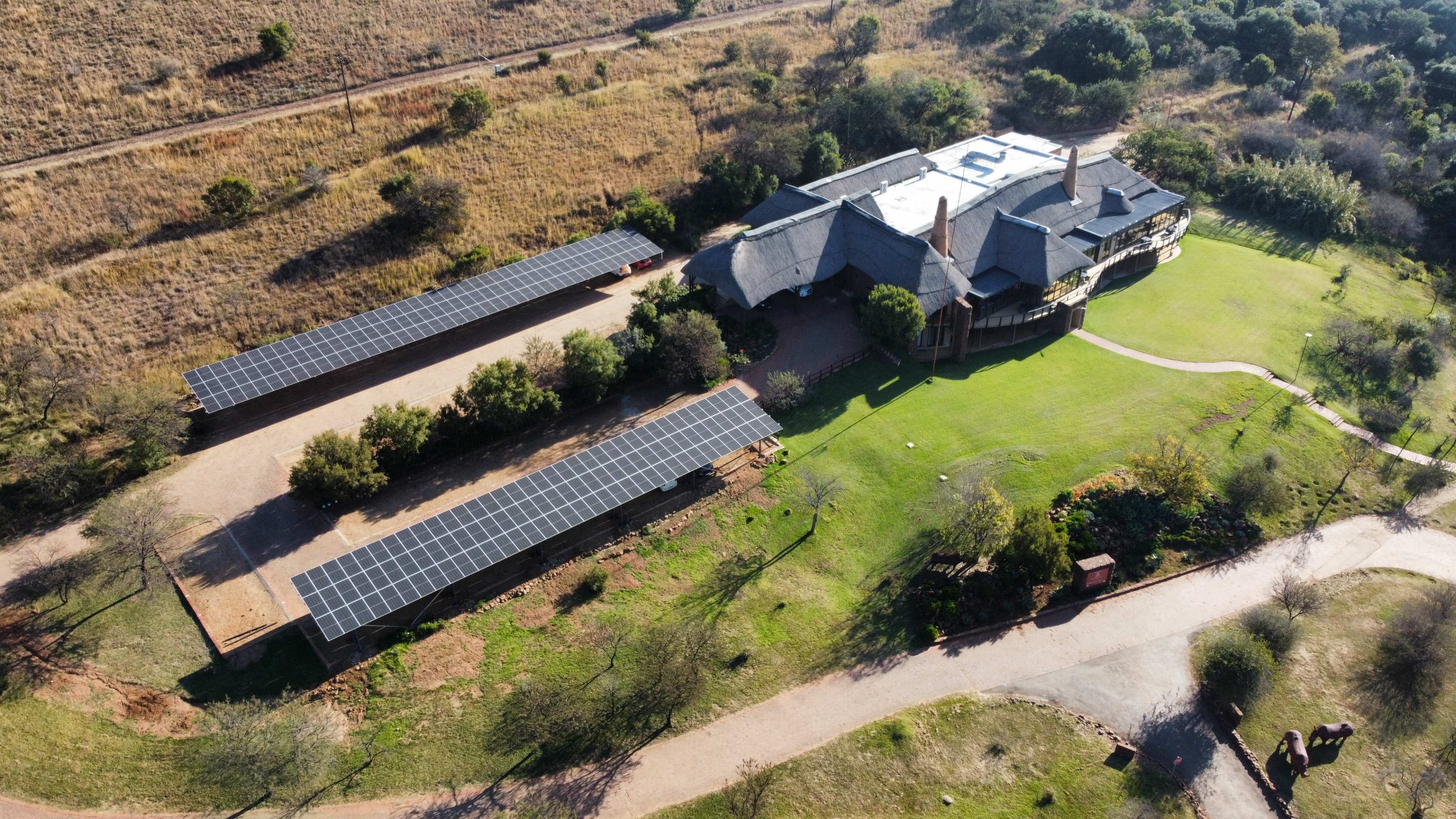
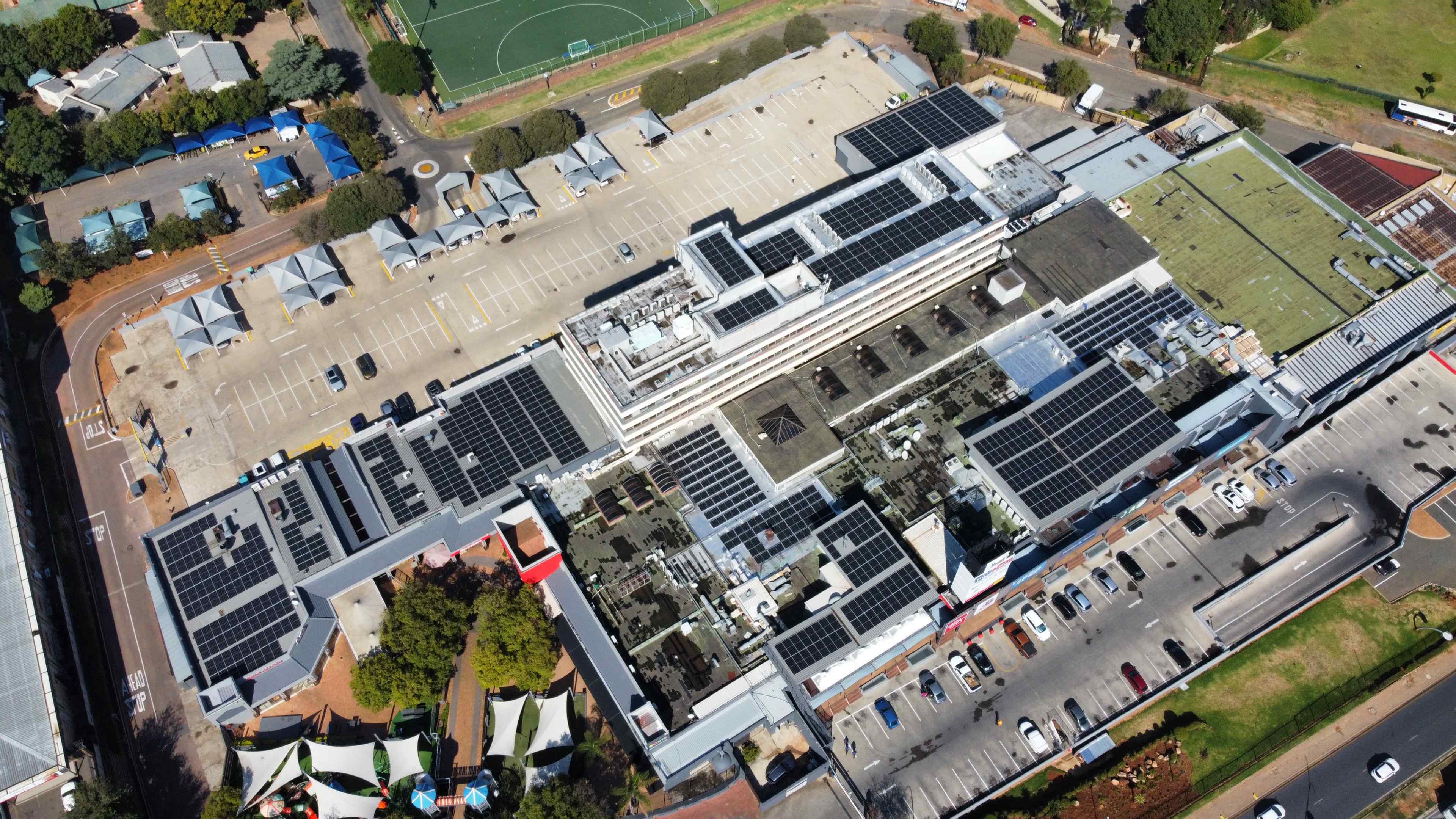
A complete commercial installation is roughly a third equipment and two thirds engineering, labour, compliance and connection. When quotes diverge, it is almost never the modules — it is which of the items below a bidder has left out.
Modules, inverters, mounting
The visible plant, and usually the smallest source of price variance between serious quotes. Module prices are commodity-driven; the mounting system is where roof-specific engineering starts.
DC and AC reticulation
String cabling, combiner boxes, AC cabling to the point of connection, protection devices, isolators and labelling. Priced by distance and by volt-drop limits, not by system size — a plant room 200 m from the array costs materially more than one below the array.
Structural engineering sign-off
A professional assessment that the roof carries the additional dead and wind load. On older sheeting or long-span purlins this can trigger reinforcement, which is a genuine cost and a genuine reason a cheap quote is cheap.
Electrical professional engineer sign-off
Design certification by a registered professional — required for the supply authority's embedded-generation application and for insurers.
Certificate of Compliance (COC)
The installation certificate under the national wiring code. Without it the installation is not legally compliant and an insurer has grounds to decline.
Lightning risk assessment
A rooftop array is an extended metallic structure on a Highveld roof. The assessment determines earthing and surge protection — cheap to do, expensive to skip.
Embedded-generation registration
The application to the supply authority, with single-line diagrams, approved-equipment evidence and grid protection settings. Often a meter change too.
Monitoring and metering
Inverter-level monitoring at minimum. Independent check metering — a meter that is not the inverter's own — is what makes performance claims auditable rather than self-reported.
Commissioning and handover
Testing, protection-setting verification, as-built documentation, warranties and operating instructions. The paperwork is what a future buyer, bank or insurer will ask for.